
This blog/diary/e-magazine has been something I’ve mused about for a while, and though it is definitely influenced by the K-Punk writings of the late Mark Fisher, I hope that I’m able to create my own identity within these reviews, ramblings, essays, opinion pieces, whatever you may want to call them.
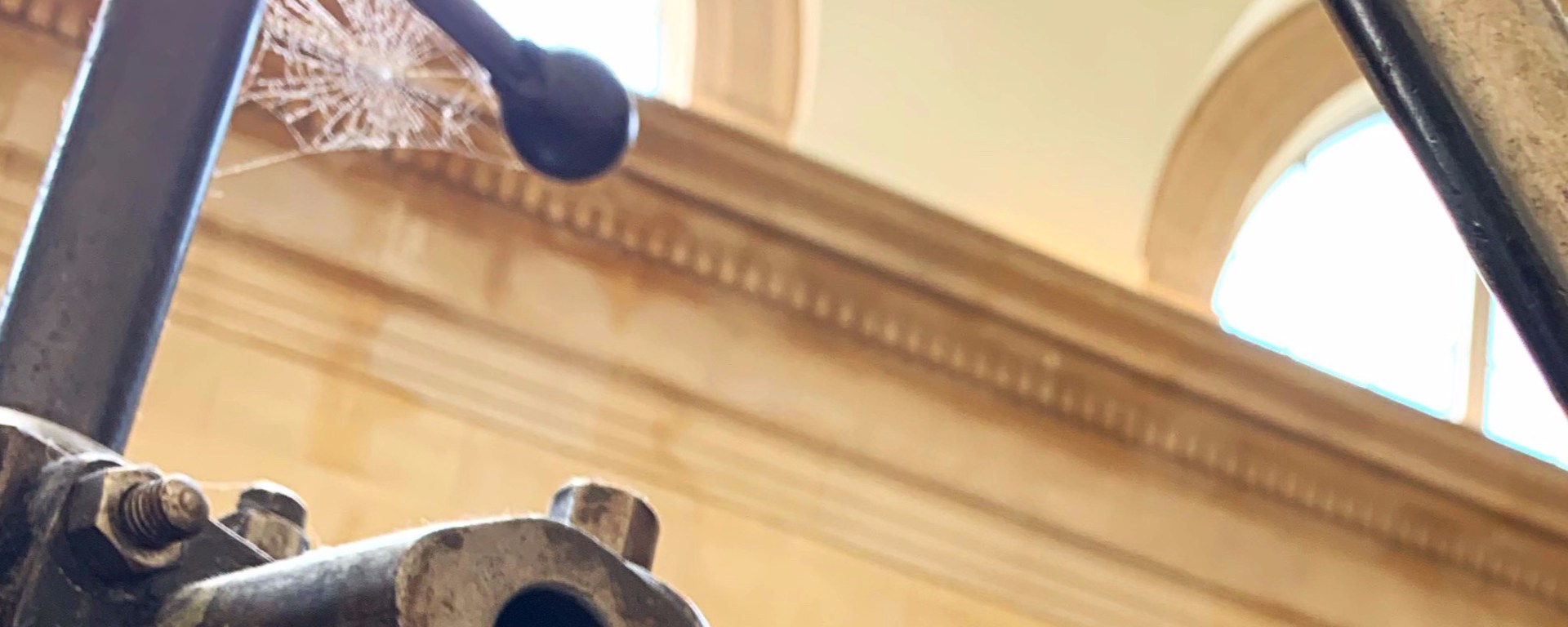
He works with scale in ways I couldn’t even consider, seamlessly jumping from delicate woolen threads hanging in the muggy London air, to enormous boulders crushing you under the weight of the reality of all the promise that’s been stripped away from the North, the generations of dust and the intricate cobwebs, oh the cobwebs, I’m utterly obsessed with these cobwebs. I spent a good forty-five minutes in the exhibition, and the majority of the time was spent walking amidst these discarded relics of a haunted past and chuckling to myself, wondering how the fuck the install team managed to keep so many delicate, intricate cobwebs completely intact.
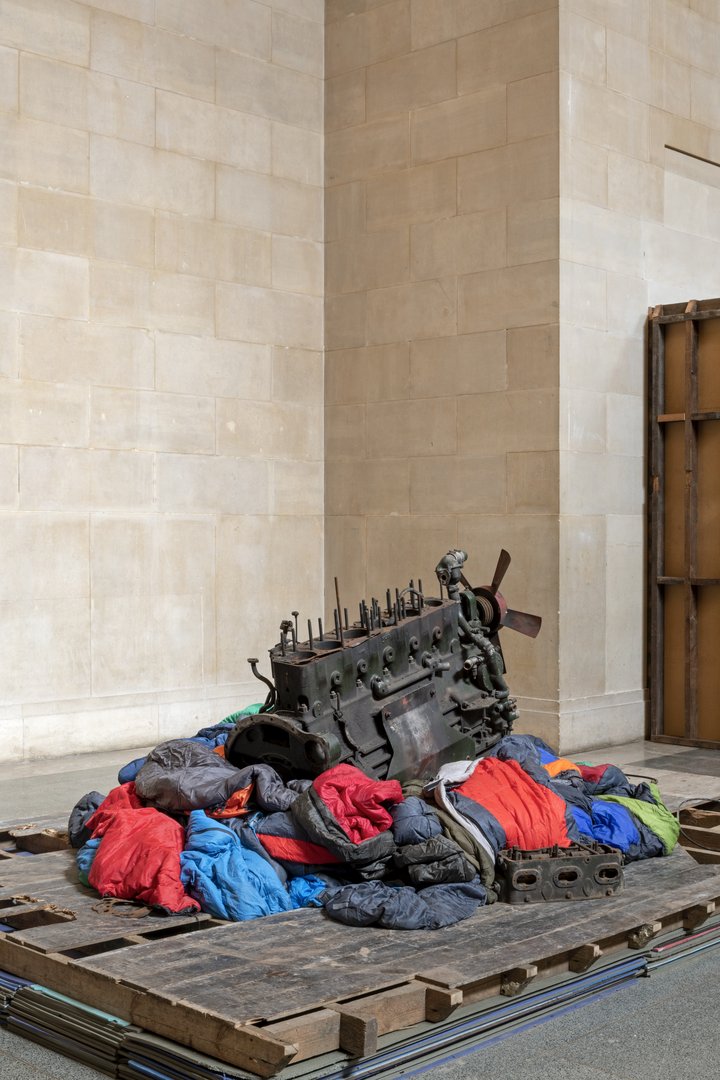
With all that aside I recently went a short trip to London and took the opportunity to see the latest Mike Nelson commission at the Tate Britain, Nelson has been a large influence on my own art work, though up until this point I’ve only been able to read about his works and look at documentation so this was really an exciting opportunity for me and I wanted to start this blog off with something that I’m heavily indebted to, so here goes.
A larger question, that maybe I’ll undertake in another post, is the consideration over what an artist can assign as their own work, perhaps we ought to discard the term artist, replace it with a more befitting title, such as director, or auteur? It’s a long, documented, opinionated history, the notion of the individual artist, the master renaissance painter overseeing minions in his workshop, ‘taking credit’ for the skills of his understudy, and though this is arguably a part of Nelson’s work I’m unable to see how he would undertake an installation such as this solely as an individual, and would we really want him to attempt this? A friend once told me that a large part of realising your practice is knowing what you want to achieve, and then knowing where your own limits lie. Outsourcing a more specialised area of your creative process doesn’t make your practice any less individual (as nice as making our own paints is, and an exciting undertaking it can be, it’s not always practical, nor necessary). With these considerations I feel I’ve argued against my sole misgiving with Nelson’s work, he is both artist, author, and director, and we the audience art but the actors weaving our way through his uncanny, and uncomfortable vision, and to me it is breathtaking.
This now brings me onto the consideration of the eeriness Nelson evokes with his large scale installations, in his (seminal but all too short) post-humous essay on the subject of eeriness Mark Fisher describes it as being “either when there is something present where there should be nothing or there is nothing present when there should be something” -1, in the act of placing these objects into the context of the Tate Britain, and it’s large warehouse space, Nelson is in some manner of speaking bringing them home and simultaneously placing objects where they ought not to be. The manner of their placement, precarious and alien, speaks of something between a Lovecraftian monster, and an absurdist essay on the weirdness of industrial Capitalism. This is the very epitome of eeriness, these objects both belong, and do not belong, they are both recognisable, and totally beyond recognition.
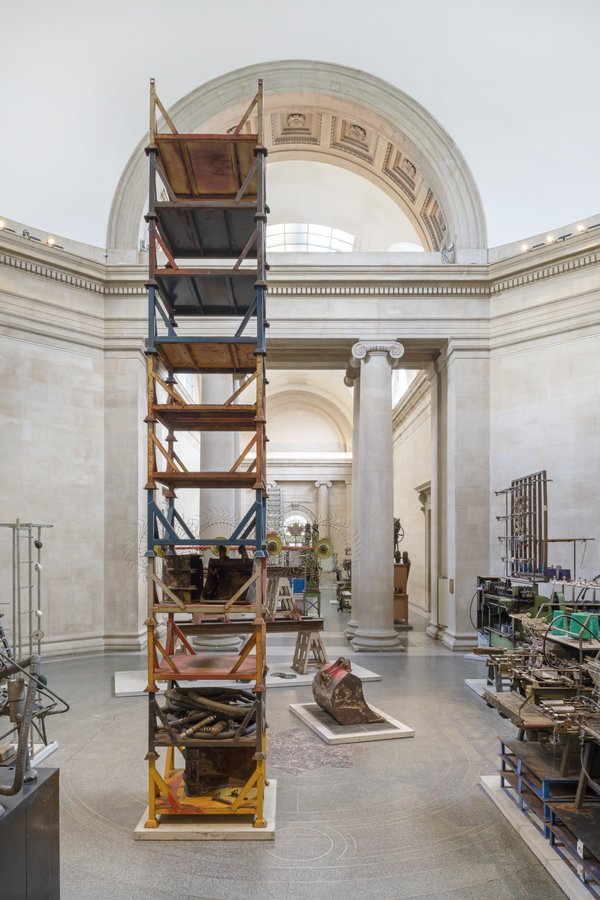
Perhaps the most striking aspect is the dichotomy between the huge scale of many of the objects (massive rocks quarried from the earth, ten foot wooden beams taken from warehouses) the clear weight of them, and what this evokes of their handling, and the intricate minute details, the cobwebs, the subtle humour of placement, objects on objects, objects in objects, this is the wet dream of someone who loves junk shops, rooting through bric a brac draws at a carboot sale, only this time it’s been scaled up, and presented not as a purchase opportunity, but as an ode to a promised future that was violently ripped away by a neoliberal distain for the working class North of the 60s and 70s.
There’s undeniably some sick irony in this unapologetically Northern exhibition about working class resilience and pride, being held in the capital, but it almost feels like Nelson is fully aware of this, and uses it to push every level of discomfort, and negative emotion possible, when looking at discarded industrial objects.
1 Fisher, M. (2016). The Weird and the Eerie. London: Repeater. p.27.
Images from: image from: http://www.tate.org.uk, with the exception of the featured image, which is my own, all rights to Mike Nelson, and the Tate Britain
 Harrying of the North